Biscuits and crackers
The timing of the leavening reaction and the targets for structure and thickness are taken into account.



No page matches this search. Contact Us
A phosphate ingredient used in leavening systems and for its process properties.
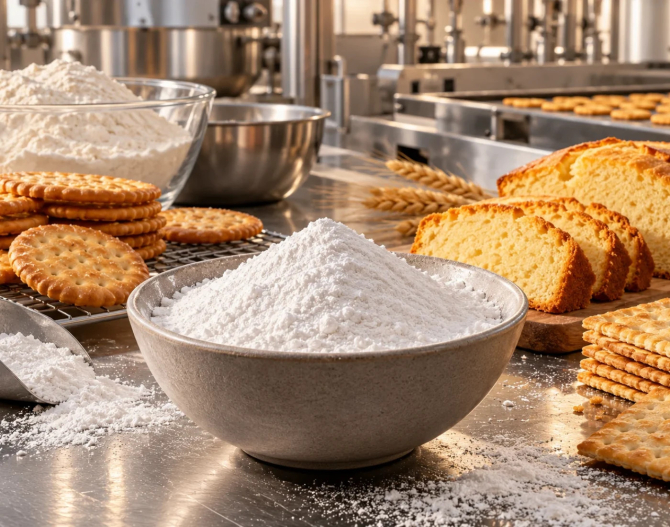
Sodium acid pyrophosphate (SAPP) is an acidic phosphate used, particularly in chemical leavening systems, to manage the reaction rate and product structure. Choosing the right type depends on the holding time of the dough or batter and on the baking profile.
In a leavening system, SAPP alone does not determine final performance. The carbonate source, flour properties, moisture, temperature and mixing sequence are evaluated together.
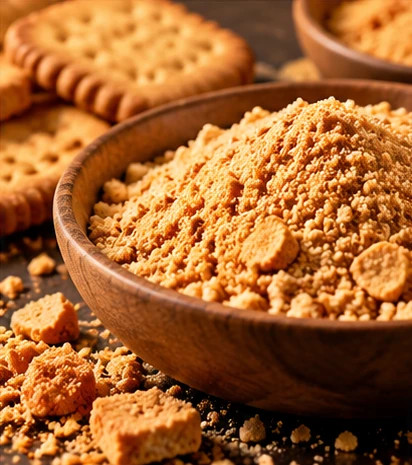

The timing of the leavening reaction and the targets for structure and thickness are taken into account.
Plays a role in controlling the gas release profile while the batter is prepared and until it enters the oven.
A suitable acid system is selected according to shelf holding time and preparation conditions.
SAPP is an acidity-regulating ingredient used in formulations aimed at controlling the rate of CO₂ release together with suitable raising agents.
In doughs with different temperature profiles and holding times, the compatibility of gas release with the process conditions is tested.
In line with the applicable regulatory approvals, it is used in processed potato products to minimise colour change during processing.
In product selection, we consider not only the name or area of use, but also your production conditions and specification requirements.
Request technical informationNo. SAPP comes in types with different reaction rates; contact us about the types we can supply.
Leavening reaction rate, temperature profile, target pH and final product texture are evaluated together.
No. The recipe, the leavening system and the process conditions can change its function.
Our other products in this family, and our other product families.
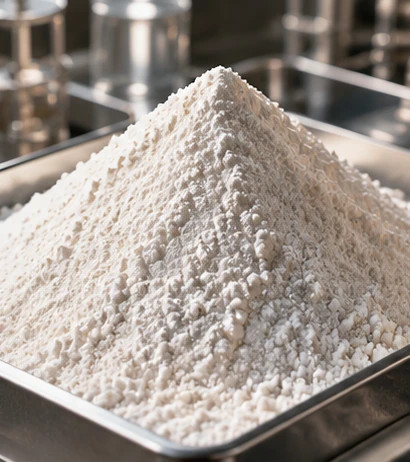
Tell us your application, the form you need and any technical requirements, and ask about the right product family.
Get in touch